
Your First Camping Trip : The Complete Checklist So You Don’t Forget Anything
So you’ve decided to go camping for the first time. Good decision. Honestly, there’s nothing quite like waking up with no walls around you, coffee in hand, birds doing their thing. But here’s the reality : a lot of first-timers show up underprepared, and it turns what should be a great weekend into a soggy, hungry, sleepless disaster. Let’s make sure that doesn’t happen to you.
Before you even think about packing, you need to sort your campsite. Don’t just show up somewhere and hope for the best – especially in peak season. A good starting point is annucamping.com, which lists campsites with real details on facilities, location and pricing. Book in advance. Seriously.
The shelter checklist : tent, sleeping, staying dry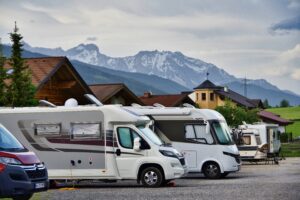
This is where people go wrong most often. They borrow a tent they’ve never assembled, or buy a cheap one that leaks at the first sign of drizzle.
What you need :
A tent rated for at least the season you’re camping in (3-season for spring/summer/autumn in the UK)
Tent pegs and a mallet – yes, the ones that come with the tent are often useless
A groundsheet or footprint if your tent doesn’t have a built-in one
A sleeping bag rated for temperatures lower than you expect – at night it always gets colder than you think
A sleeping mat or inflatable pad. This matters more than the sleeping bag, frankly. Cold comes from the ground up.
One thing I find a lot of beginners skip : practice putting your tent up at home before you go. Don’t laugh – it’s a real tip. Doing it for the first time in the dark, on a field, after a long drive, is not fun.
Clothing : layers, not bulk
The UK weather is the UK weather. Even in July, you can get a cold night or a surprise downpour.
Pack these :
A waterproof jacket (not a rain poncho – those are a nightmare in wind)
A warm mid-layer like a fleece or light down jacket
Moisture-wicking base layers for sleeping
Sturdy walking shoes or boots, plus flip flops for the campsite
At least one more outfit than you think you need
Avoid cotton for base layers. It stays wet. Merino wool or synthetic fabrics dry much faster.
The kitchen setup : eating well without overcomplicating it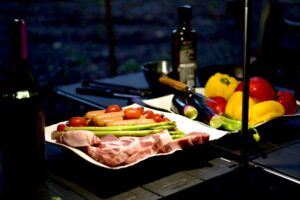
You don’t need a full camp kitchen on your first trip. Keep it simple.
The basics :
A camp stove and fuel canister (check your stove type before buying the wrong gas)
A lighter and matches as backup
One or two pots – a single 2-litre pot gets you through most meals
A mug, plate, bowl, fork, knife, spoon
A sharp knife and small chopping board
Washing up bowl, biodegradable soap, sponge
A cool bag or small cool box for perishables
Meals to consider for a first trip : pasta with jarred sauce, instant oats, wraps with fillings that don’t need refrigerating, eggs (pack them carefully). Nothing fancy. You can do the elaborate campfire cooking later once you’ve got the basics sorted.
Water, hygiene and staying comfortable
Most campsite have tap water and toilet facilities, but check before you go.
Hygiene essentials :
Toilet paper (pack more than you think – campsite dispensers run out)
Hand sanitiser and biodegradable soap
A quick-dry towel
Toothbrush, toothpaste, deodorant
A small first aid kit : plasters, antiseptic wipes, blister pads, ibuprofen, antihistamines
If you’re on a campsite with showers, a pair of flip flops for the shower block is worth its weight in gold. Trust me on that one.
Lighting and power
The sun goes down and suddenly you can’t find anything. Don’t be that person.
A head torch – both hands free, much more practical than a handheld torch
A lantern for inside the tent or around the picnic table
Spare batteries or a USB power bank
Phone charger (most campsites have charging points, but don’t rely on it)
Things most people forget on their first camping trip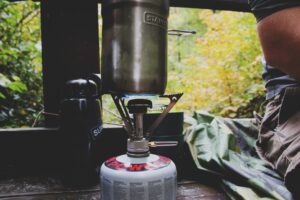
You’d be surprised what doesn’t make it into the bag.
A penknife or multitool – endlessly useful
Rope or paracord – washing line, tent guy line repair, a hundred other things
Bin bags – you need to pack out your rubbish, and bags are always in short supply
Insect repellent – especially near water or wooded areas
Sunscreen – yes, even in the UK
A doormat or small rug for the tent entrance – keeps mud out, genuinely changes your life
Duct tape – fixes anything temporarily
What you can actually leave at home
First-timers tend to overpack. You don’t need :
A full set of kitchen knives
A folding table and four chairs (for a solo or couple trip)
Multiple lanterns
Your entire wardrobe
One medium-sized rucksack or a small car boot is enough for a weekend. If you’re packing more than that, you’ve probably gone too far.
Budget : what does a camping weekend actually cost ?
In the UK, a campsite pitch typically costs between £10 and £30 per night depending on location and facilities. August in the Lake District will cost more than a Tuesday in October in Shropshire – that’s just reality.
Food for a weekend : budget around £15–25 per person if you’re cooking most meals yourself. Add fuel costs and any activity fees, and a camping weekend for two can realistically come in under £150 total. Hard to beat for two nights away.
One last thing before you go
Check the weather forecast the day before. If heavy rain is coming, make sure your tent seams are sealed (seam sealer is a cheap product worth having). Stake your tent properly even if the sky looks fine when you arrive.
Camping is low-maintenance once you’ve done it a few times. The first trip is always the hardest because you don’t know what you’re doing yet. That’s fine. Go, make a few mistakes, figure out what you actually need. By trip two, you’ll have it sorted.
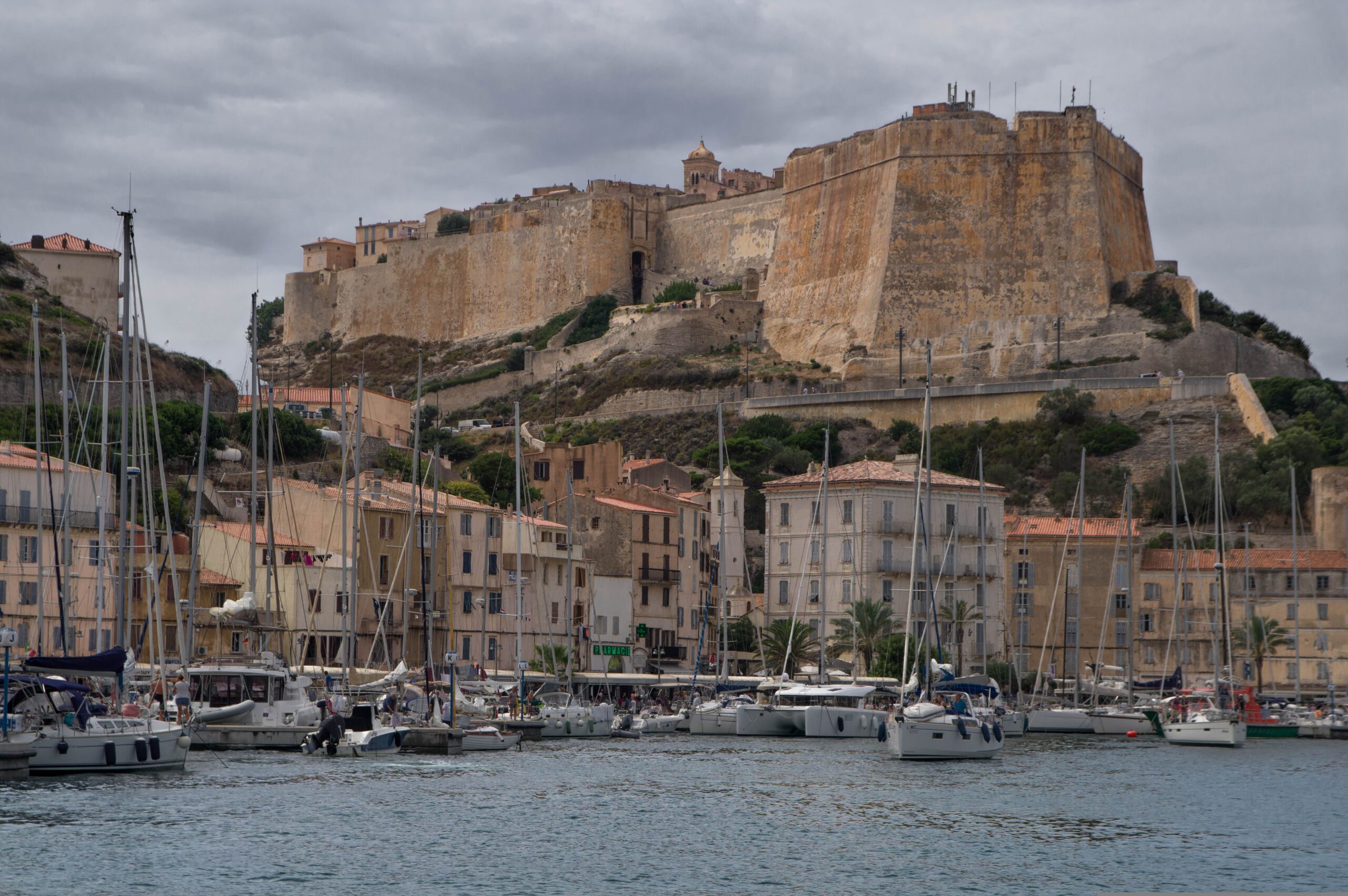
First Time in Corsica: Where to Start, What to Pack, What to Skip
First Time in Corsica : Where to Start, What to…